TNQ Writer
From tree-dwelling kangaroos to reef giants, Tropical North Queensland proves it’s more than just reef and rainforest, it’s home to species found nowhere else on the planet. Here are the extraordinary wildlife encounters you can only have here.
Swim with Dwarf Minke Whales
Swim with Dwarf Minke Whales on the Ribbon Reefs
For two short winter months, the Ribbon Reefs north of Port Douglas welcome a different kind of visitor, as Tropical North Queensland’s warm waters become the only known aggregation of Dwarf Minke Whales in the world. You can even swim with these eight metre marine mammals, joining a handful of operators who run liveaboard adventures to see them.
See two living dinosaurs in the wild
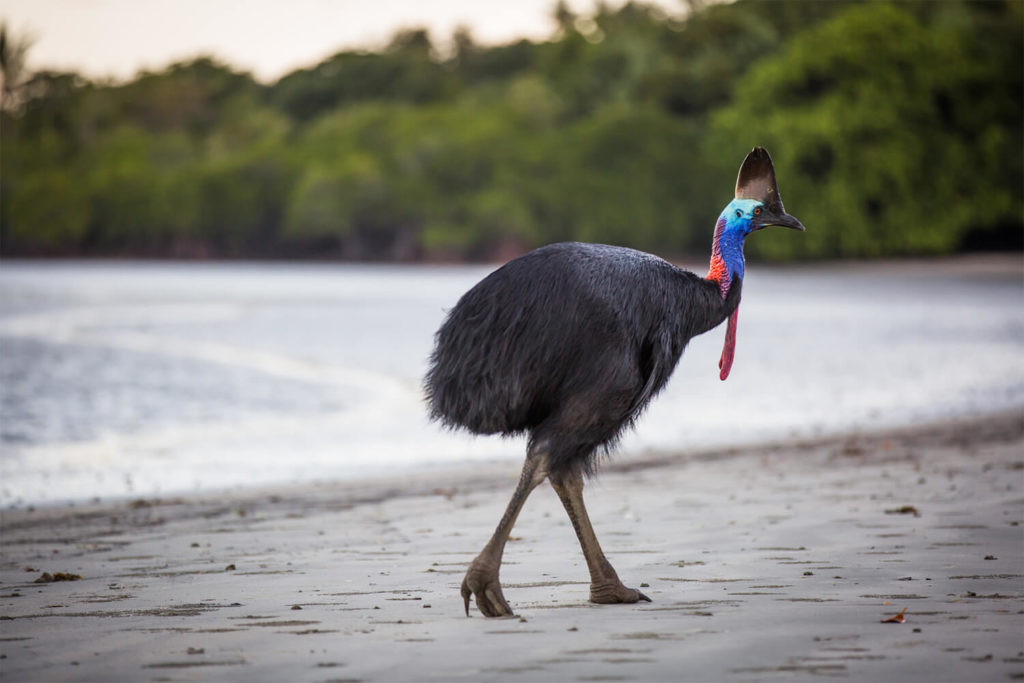
Cassowary on Myall Beach in the Daintree National Park
Cassowary on Myall Beach in the Daintree National Park
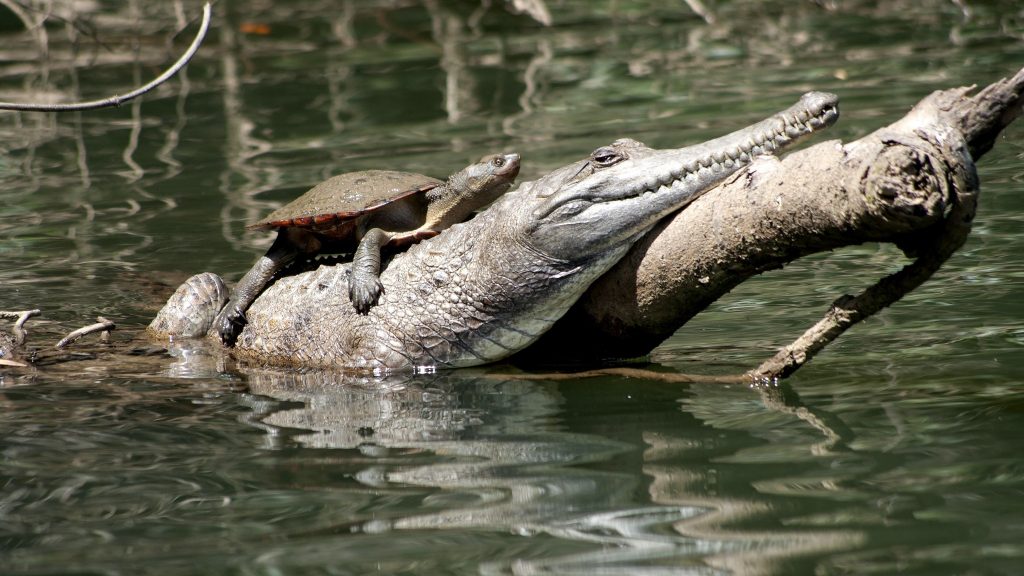
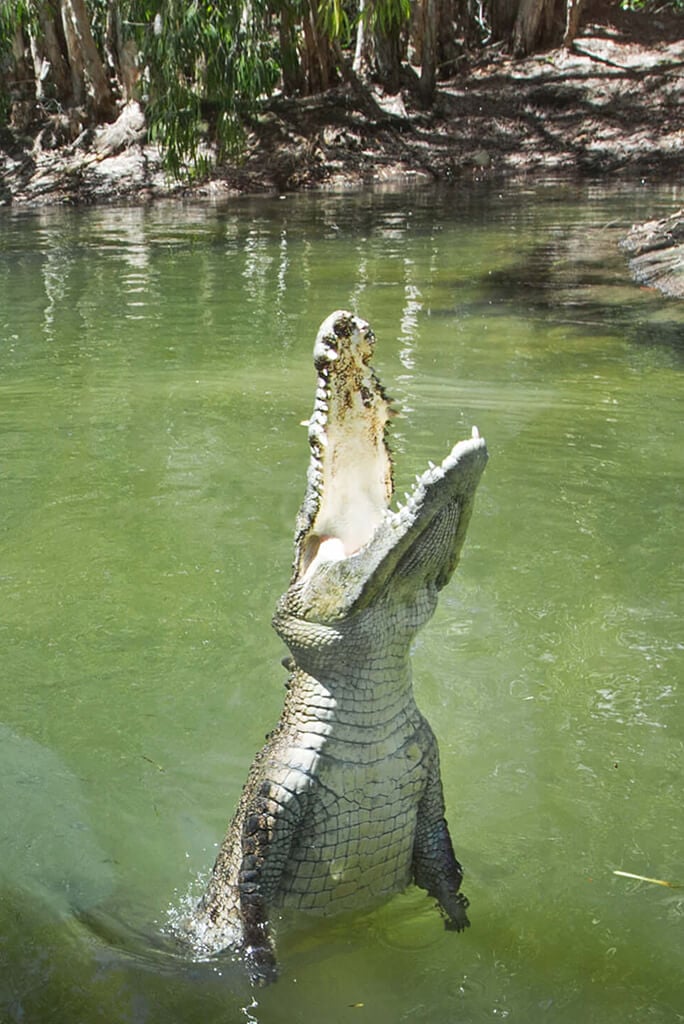
Go on a croc-spotting tour to find this iconic apex predator
Go on a croc-spotting tour to find this iconic apex predator
A trip to Tropical North Queensland provides encounters with not one but two kinds of living dinosaurs, the Saltwater Crocodile and the Southern Cassowary. Evolution has been kind to these one-of-a-kind creatures. Take Saltwater Crocodile for instance, they have been around for over 240 million years, making the cassowary who has been around for a mere 65 million years look more like a spring chicken than living dinosaur.
To see them in the wild, join one of the many croc-spotting tours and make tracks to the aptly named Cassowary Coast or Daintree & Cape Tribulation for the best chance of a wild encounter. If you’re short on time or miss seeing them in the wild, opt for a guaranteed encounter at one of the many wildlife parks across the region.
World’s biggest green turtle rookery, Raine Island
Footage courtesy of the Great Barrier Reef Foundation & Queensland Government.
The longest known marine turtle rookery can be found off the coast of Cape York on the 27.5-hectare Raine Island. In peak nesting season, Raine Island’s sands will accommodate up to 60,000 nesting turtle. While Raine Island is protected and home to only the Raine Island Recovery Project (sorry, no visitors), there are still plenty of other places you can see these marine giants in action. Dive in at Fitzroy Island (or visit their Turtle Rehabilitation Centre), Green Island or really, with any of the reef tours which depart from Cairns or Port Douglas for a turtle experience of your own.
Only place in Australia to see Tree Kangaroos in the wild
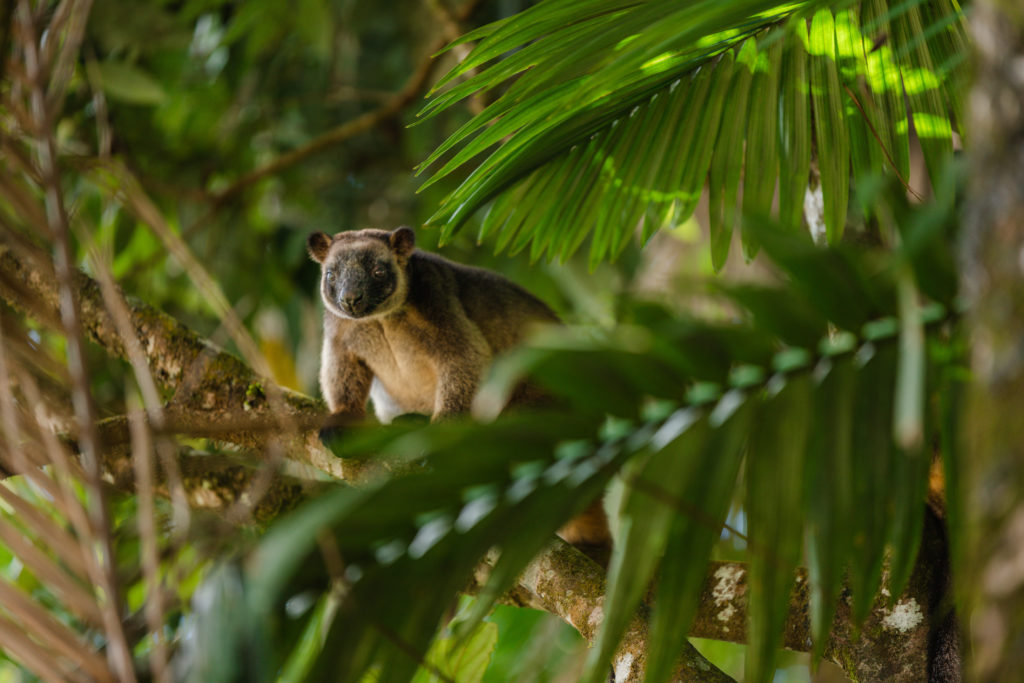
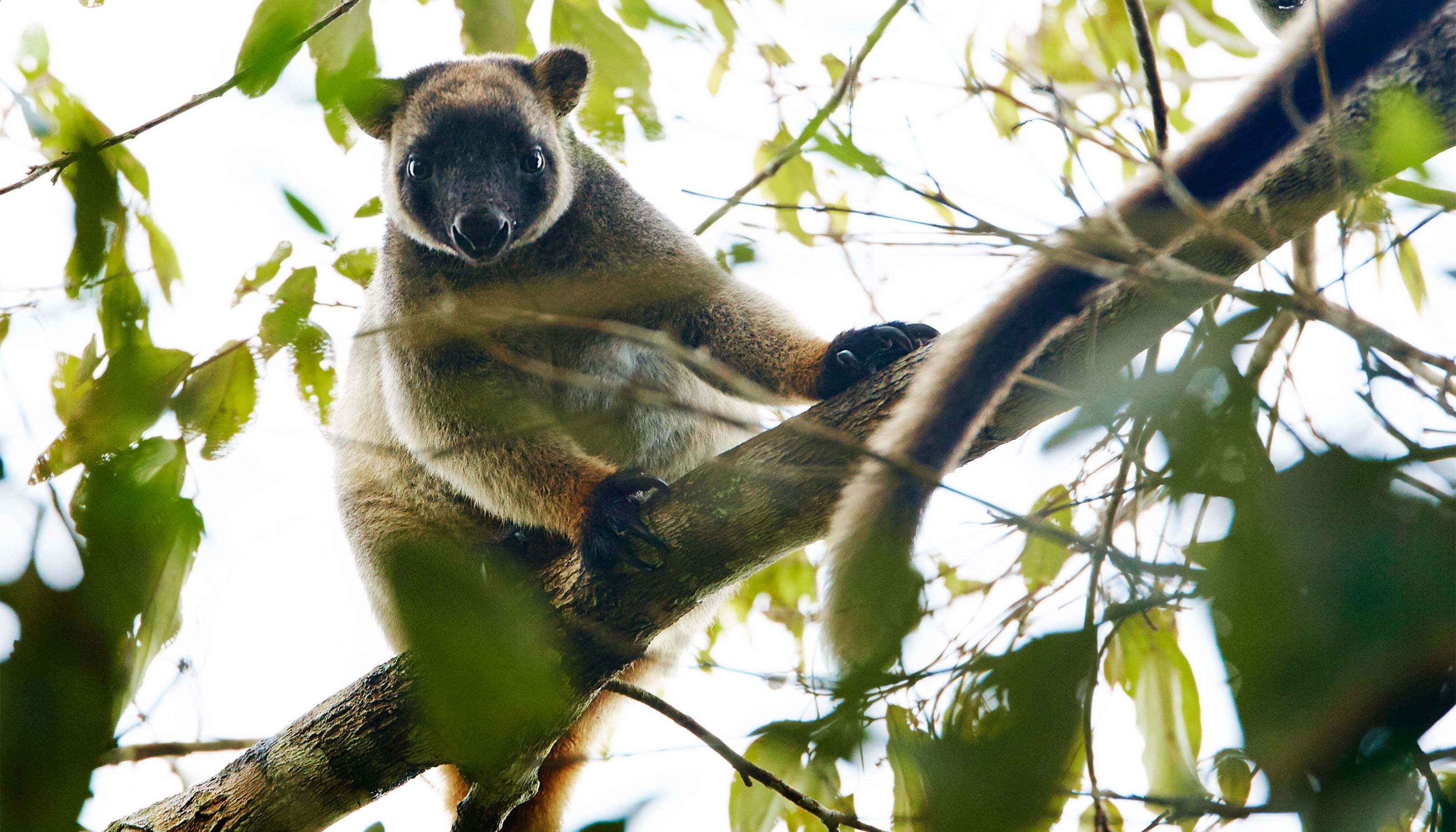
Lumholtz's Tree Kangaroo by FNQ Nature Tours
It stands to reason that within the world’s most biologically diverse rainforest, you will find animals found nowhere else on Earth. The Wet Tropics is home to two tree-dwelling macropods, the Bennett’s Tree Kangaroo, found in the lowland rainforests of the Daintree and Cape Tribulation, and the Lumholtz’s Tree Kangaroo, found in the cooler, upland forests of the Atherton Tablelands. While the two species live in different environments, they share the same distinctive features, shorter legs, powerful limbs and long tails that help them move through the trees with ease.
Sightings are rare, but some of the best places to try your luck include Treetops Adventure, the Jindalba Boardwalk, and the Daintree Discovery Centre for the Bennett’s, while Lumholtz Lodge, the Malanda Falls rainforest walk, and the Curtain Fig Tree near Yungaburra are known locations for spotting Lumholtz’s.
Spot a Boyd’s Forest Dragon
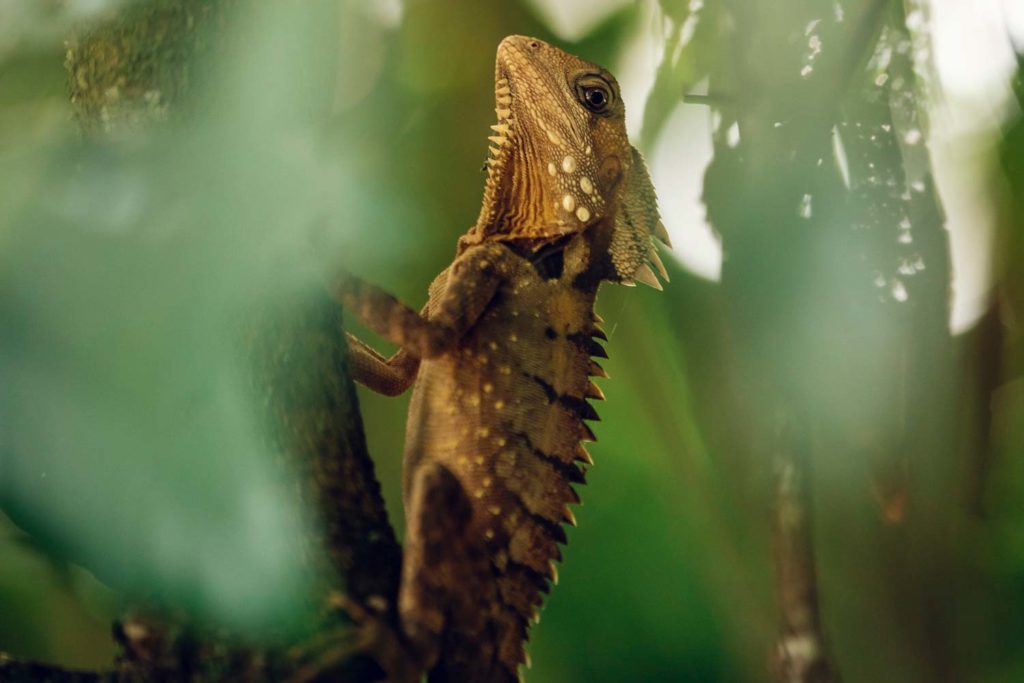
Often mistaken for a prehistoric creature, the Boyd’s Forest Dragon is one of the Wet Tropics’ most distinctive reptiles. Unlike other lizards, they don’t sunbake, instead, they cling to tree trunks and wait for insects to come within reach. You will often spot them along shady rainforest tracks, especially after rain. Mossman Gorge and the Daintree Rainforest offer some of the best chances to spot one and if you do, look closely, you might catch a pair of eyes staring right back at you.
Birdlife and endemic species
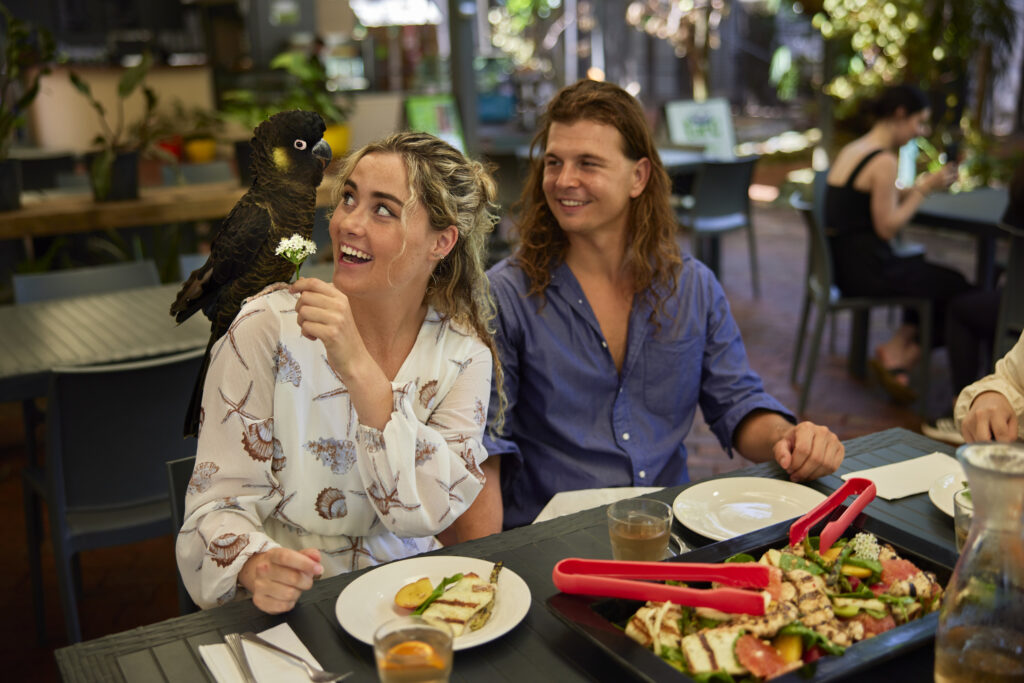
Breakfast With The Birds at Wildlife Habitat Port Douglas
Breakfast With The Birds at Wildlife Habitat Port Douglas
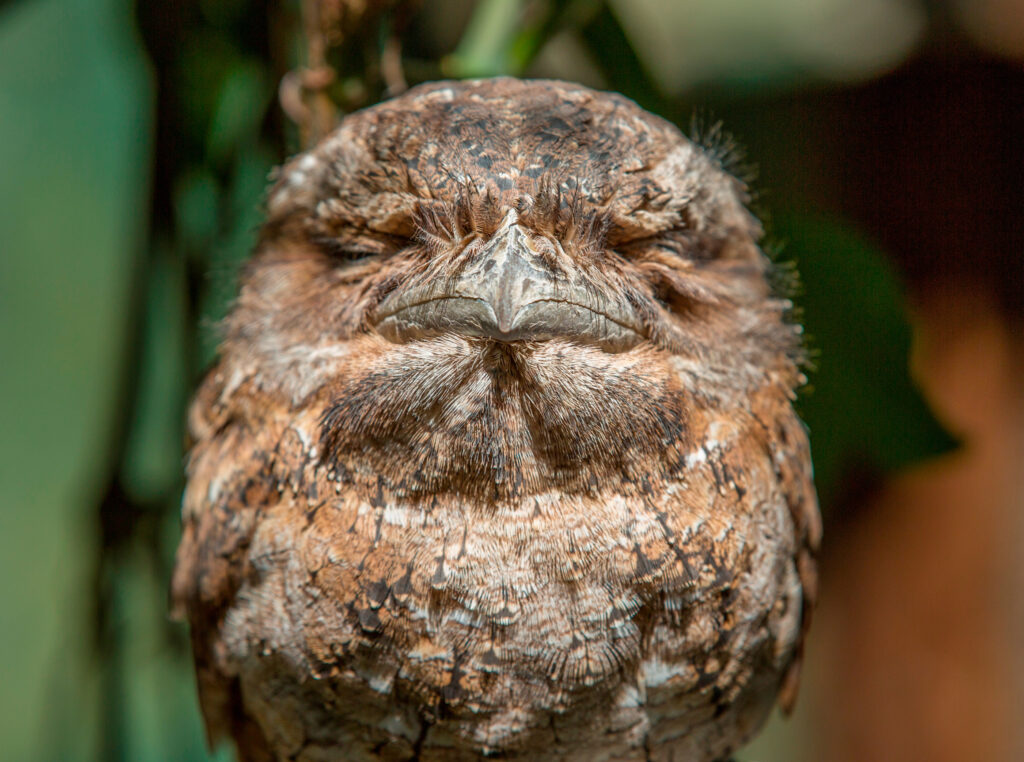
Tawney Frogmouth at Wildlife Habitat Port Douglas
Tawney Frogmouth at Wildlife Habitat Port Douglas
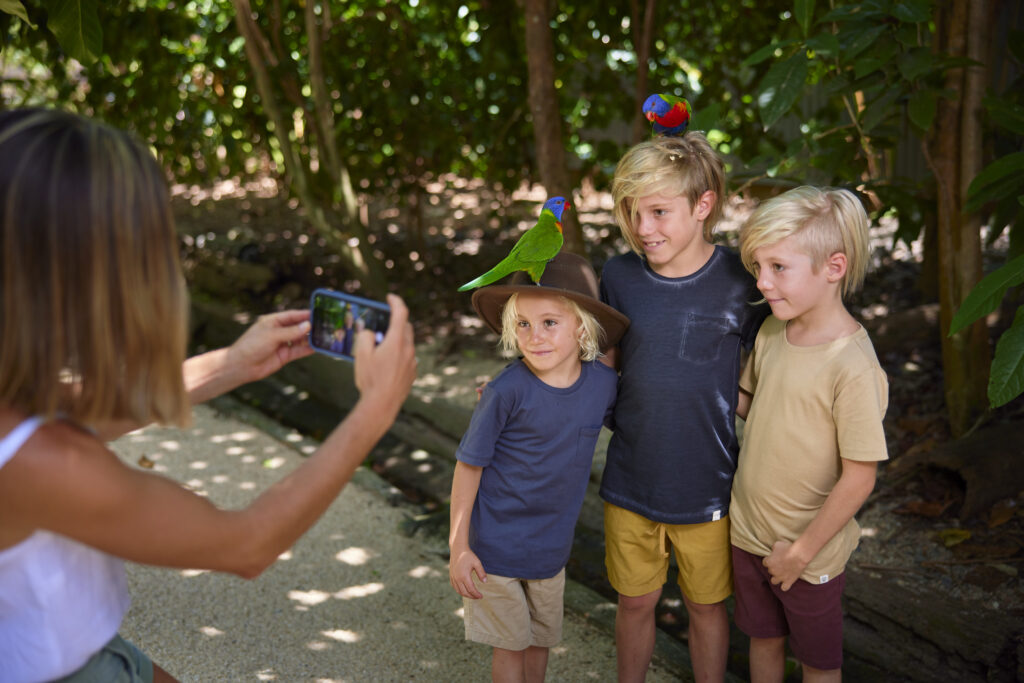
Mother taking a photo of her children with birds on their heads at Wildlife Habitat Port Douglas
Mother taking a photo of her children with birds on their heads at Wildlife Habitat Port Douglas
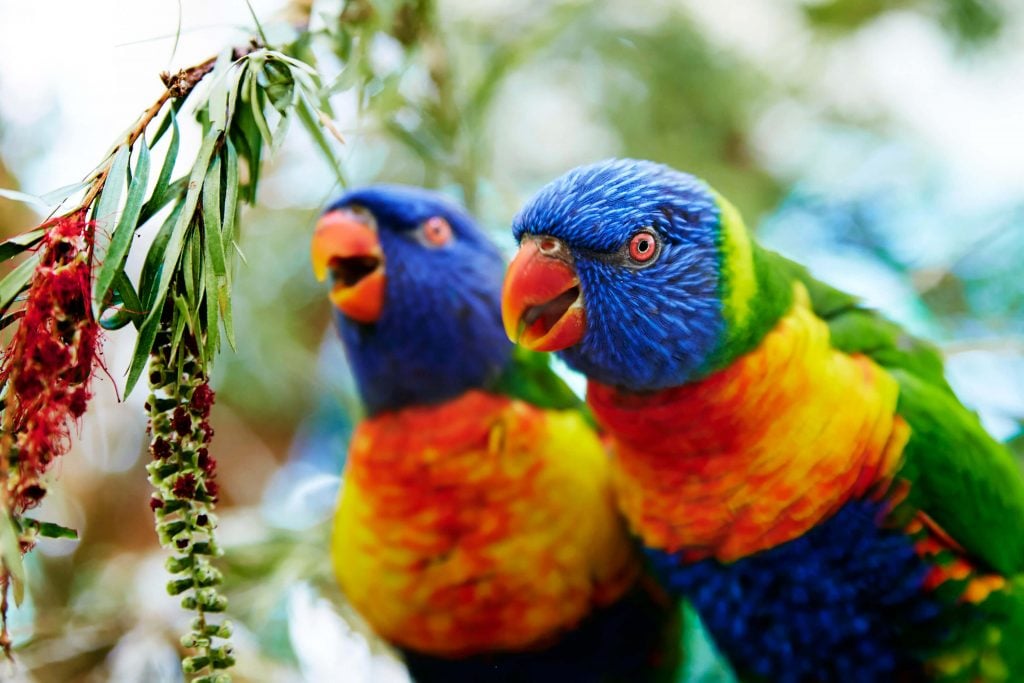
With more than 430 bird species recorded in the region, birdwatchers are spoilt for choice in Tropical North Queensland. Whether you are listening for the raspy call of a Victoria’s Riflebird, scanning the canopy for the brilliant flash of a golden bowerbird, or quietly hoping for a glimpse of a cassowary stepping through the undergrowth, this is a region where rare and endemic birds are part of the everyday. From coastal mangroves to upland rainforests, every habitat has its stars, you just have to stop and listen. For a guaranteed encounter, head to Wildlife Habitat in Port Douglas, where you can spot these and other endemic species in naturalistic environments.
Nocturnal rainforest mammals
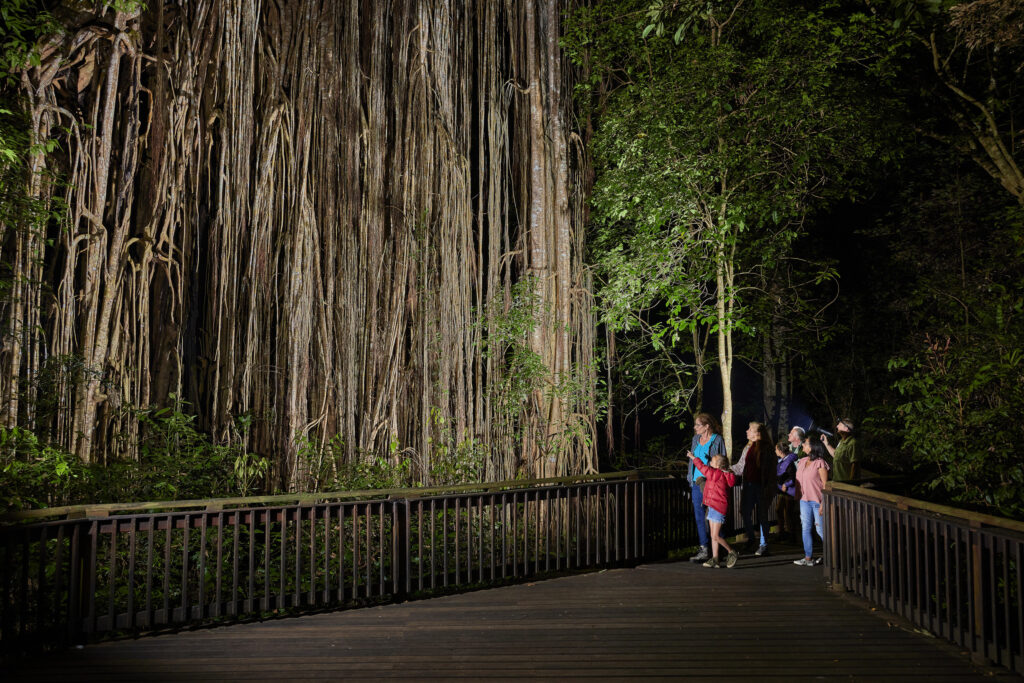
Tour group shining their torches at the Curtain Fig Tree on Wait-A-While Rainforest Tours
Tour group shining their torches at the Curtain Fig Tree on Wait-A-While Rainforest Tours
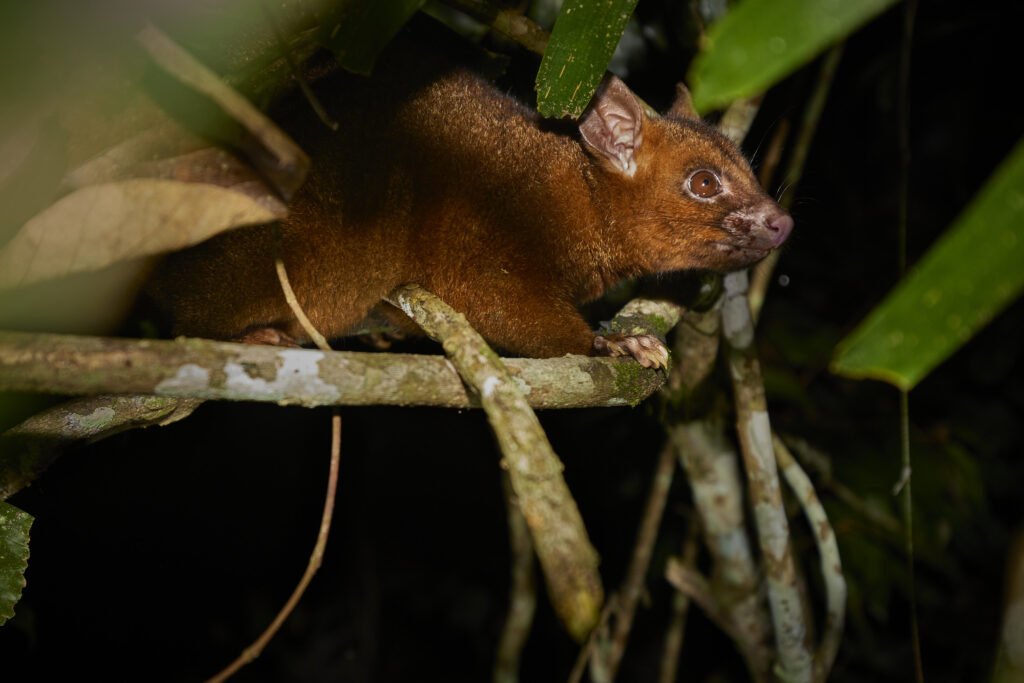
Close up of a possum in a tree at night on Wait-A-While Rainforest Tours
Close up of a possum in a tree at night on Wait-A-While Rainforest Tours
When night falls in the rainforest, a different cast of characters emerges. Keep your torchlight low and you might spot the wide eyes of a Green Ringtail Possum, a species found only in the Wet Tropics. Along with its cousins, like the Herbert River Ringtail, these quiet climbers spend their nights foraging in the canopy. You might also catch a flash of fur gliding overhead, from a Mahogany or Yellow-bellied Glider, launching between trees on folds of skin. Operators like Wait-a-While Rainforest Tours and Eyes on Wildlife run guided night walks on the Atherton Tablelands, offering your best chance to see these elusive locals.
Witness the world’s biggest orgy aka coral spawning
The greatest live sex show takes place on the Great Barrier Reef each year when the coral polyps of the reef release their eggs for the ocean to fertilise. Ask any marine scientists and they’ll confirm coral spawning is here for a short time, but a good time, lasting just 30 minutes, when the entire network of the Great Barrier Reef spawns in unison. Single night trips and liveaboard adventures depart during the predicated coral spawning dates – but just remember, like any wild encounter, there are no guarantees that the reef will get lucky the night you book.