Safe Travel
Stay Safe and explore more
The best kind of holiday is a safe holiday. So while you’re enjoying your time in Tropical North Queensland, there are a few things you should keep in mind.
From staying sun smart on our beaches and safely exploring freshwater swimming spots, to local wildlife encounters and road tripping through our scenic roads with care, there are plenty of ways to enjoy the region responsibly. When visiting our beautiful tropical beaches, always swim between the red and yellow flags at patrolled beaches and follow the directions of lifeguards on duty. Understanding a few key tips will help you feel confident and carefree throughout your trip.
Wildlife Safety
There are thousands of unique species of wildlife to be found here and you can spot them in the rainforest, outback or the ocean. While most of them are harmless, there are a few you should stay away from, including crocodiles, marine stingers, snakes, spiders and Cassowary. The chances of getting hurt are very low as long as you take precautions, stay away from the water’s edge in crocodile inhabited areas, never interfere with wildlife and always remember that these are wild animals that must be treated with respect.
Croc Safety
Did you know saltwater crocodiles can grow up to six metres long? Or that they can hold their breath underwater for an hour and a half? Crocodiles are an ancient and fascinating species, but they can also be dangerous if you don’t give them the proper respect.
They can be found in estuaries and beaches around Tropical North Queensland as well as in rivers, lagoons and swamps hundreds of kilometres from the sea. They are most active at night and in the breeding season from September to April.
Tips to be croc-wise in croc country:
- Always obey crocodile warning signs.
- Never swim where crocodiles may be present, even if you don’t see any signs.
- Look out for crocodile slide marks on the bank and stay well away from them.
- When fishing, always stand a few metres back from the water’s edge and never clean fish or discard scraps near the water’s edge.
- Don’t dangle arms or legs out of a boat. If you fall out, get back in as quickly and calmly as possible.
- Never provoke or attack crocodiles and do not feed them or leave food out for them.
- Camp at least 50m from the edge of the water and 2m above the high-water mark. Don’t leave any food scraps at your campsite and don’t prepare food or wash dishes at the water’s edge.
- If you spot a crocodile you can log it in the Qwildlife App to help keep track of the movements and behaviour of crocodiles in the area.
Jellyfish Safety
The oceans around northern Australia are home to some of the world’s most spectacular marine life. This includes marine stingers some of which are dangerous, most famously the box jellyfish and Irukandji. These can be found around Tropical North Queensland along the coast as far south as Gladstone, from around October/ November to May/ June.
Many popular beaches have stinger nets patrolled by lifeguards in place so you can swim safely. However, it’s recommended you wear a protective suit to help shield you from the sun and to minimise the risk of jellyfish stings.
On patrolled beaches, lifeguards conduct daily checks for jellyfish prior to putting out the flags. Always follow advice from lifeguards on duty and it’s a good idea to check with them directly if you’re unsure about anything.
If you do happen to get stung, don’t panic. Wash the site thoroughly with vinegar (you’ll find a bottle on most beaches) and pull off any remaining tentacles, ensuring your fingers and hands are protected. See the lifeguards for assistance or call Triple 000 in an emergency.
The most important advice is not to be afraid of swimming at Tropical North Queensland’s gorgeous beaches. Fatal stings are very rare and it’s easy to stay safe by following these simple precautions. Current local beach conditions can be found on the Surf Life Saving North Queensland website.
Shark Safety
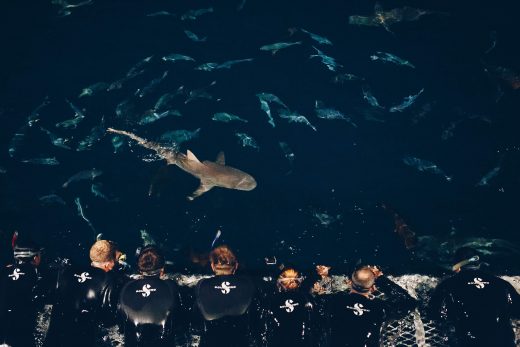
Did you know that sharks can replace a lost tooth naturally in just one day? Getting up close with sharks on the Great Barrier Reef is a bucket-list activity for many divers. Species commonly seen are the white tip reef shark, grey reef shark and the silver tip shark which can be up to 1.8 metres in length. The white tip has between 80 and 100 rows of teeth!
Mike Ball Dive Expeditions, have specialised in shark diving for many decades, offering passive shark attraction and shark feeding dives in the Coral Sea Marine Park, at Osprey Reefs ‘North Horn’ dive site. Up to 60 sharks attend their feeds where divers can safely view the spectacular ‘feeding frenzy’ for 2-3 minutes within a distance of approximately 6-7 metres.
It is important to note sharks will not attack humans in the water by mere presence and do not recognise humans as a food source. Attacks are very rare and generally only occur when safe swimming practice recommendations are ignored, particularly relevant when sea conditions have either low light or low visibility.
The Queensland Government has suspended its Shark Control Program in the Great Barrier Reef Marine Park. Everyone can be ‘Shark Smart’ by following these safe swimming practices:
- Don’t swim at dawn or dusk
- Always swim in clear water (not in murky water, busy anchorages, estuary mouths or canals)
- Don’t throw food scraps or fish waste overboard (including in anchorages or where people are swimming)
- Don’t swim where fish are being cleaned
- Swim, surf, snorkel or dive with a buddy
- Follow local signage and swim between the flags at patrolled beaches.
Snorkelling Safety
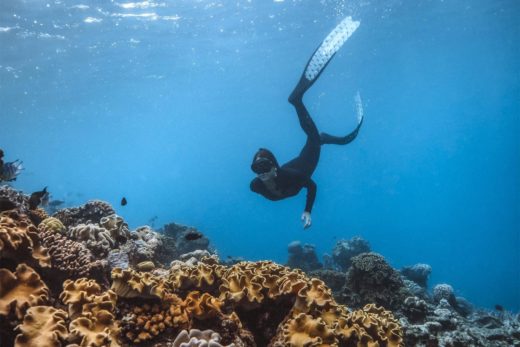
Snorkelling and diving are exciting activities but can be strenuous for some people. To ensure a safe and enjoyable adventure, it’s important to follow the safety instructions provided by your dive operator. Be sure to share information on any medical conditions you have with them and fill out all forms accurately. By staying informed and knowing your limits, you can make the most of your time underwater and have a memorable, safe experience!
Sun Safety
The weather is one of the best things about Tropical North Queensland, but the sun up here can be very strong year round – and nothing ruins a holiday like a nasty sunburn. Take some simple precautions to stay sun smart.
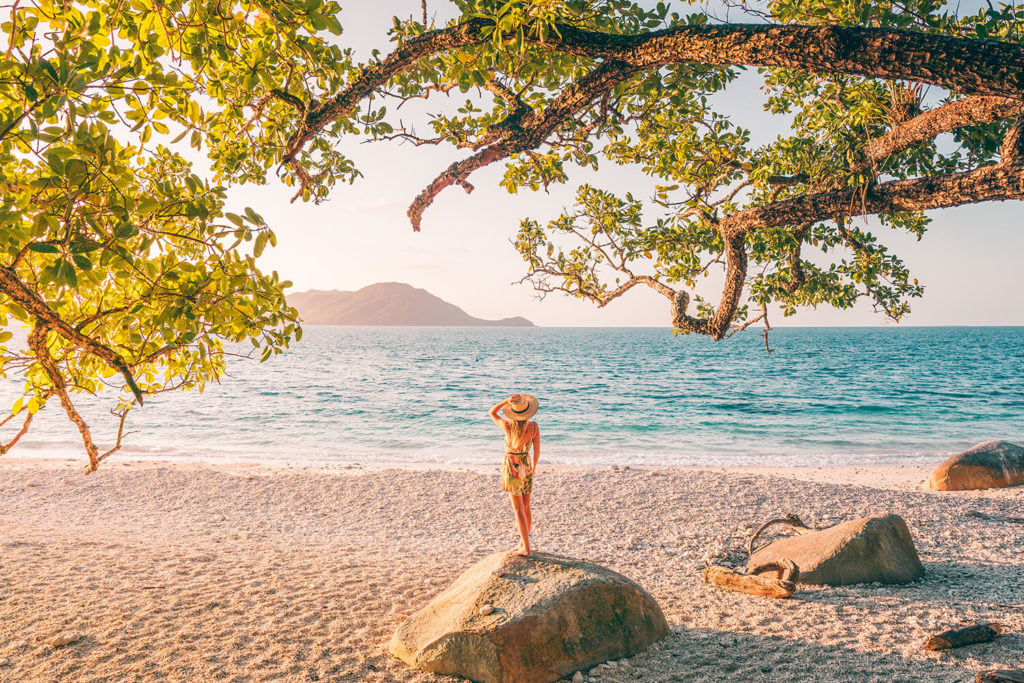
There are five key ways to protect yourself:
- Apply a water-resistant broad spectrum sunscreen of SPF30 or higher 20 minutes before you go outside. Reapply every two hours or more regularly if you’re swimming.
- Wear a wet suit or long sleeved sunshirt when swimming or snorkelling for a stronger protection from the sun.
- Dress in light, cotton clothing with a close weave. It’s cool and comfortable while still offering good protection.
- Wear a broad-brimmed hat that covers your face and neck.
- Wear good-quality sunglasses that sit close to your face and protect your whole eye.
- Seek out shade where you can and avoid direct sun during the hottest part of the day (10am to 2pm).
Freshwater Safety
For more information on how to be croc wise, we recommend visiting the QLD Parks and Wildlife website
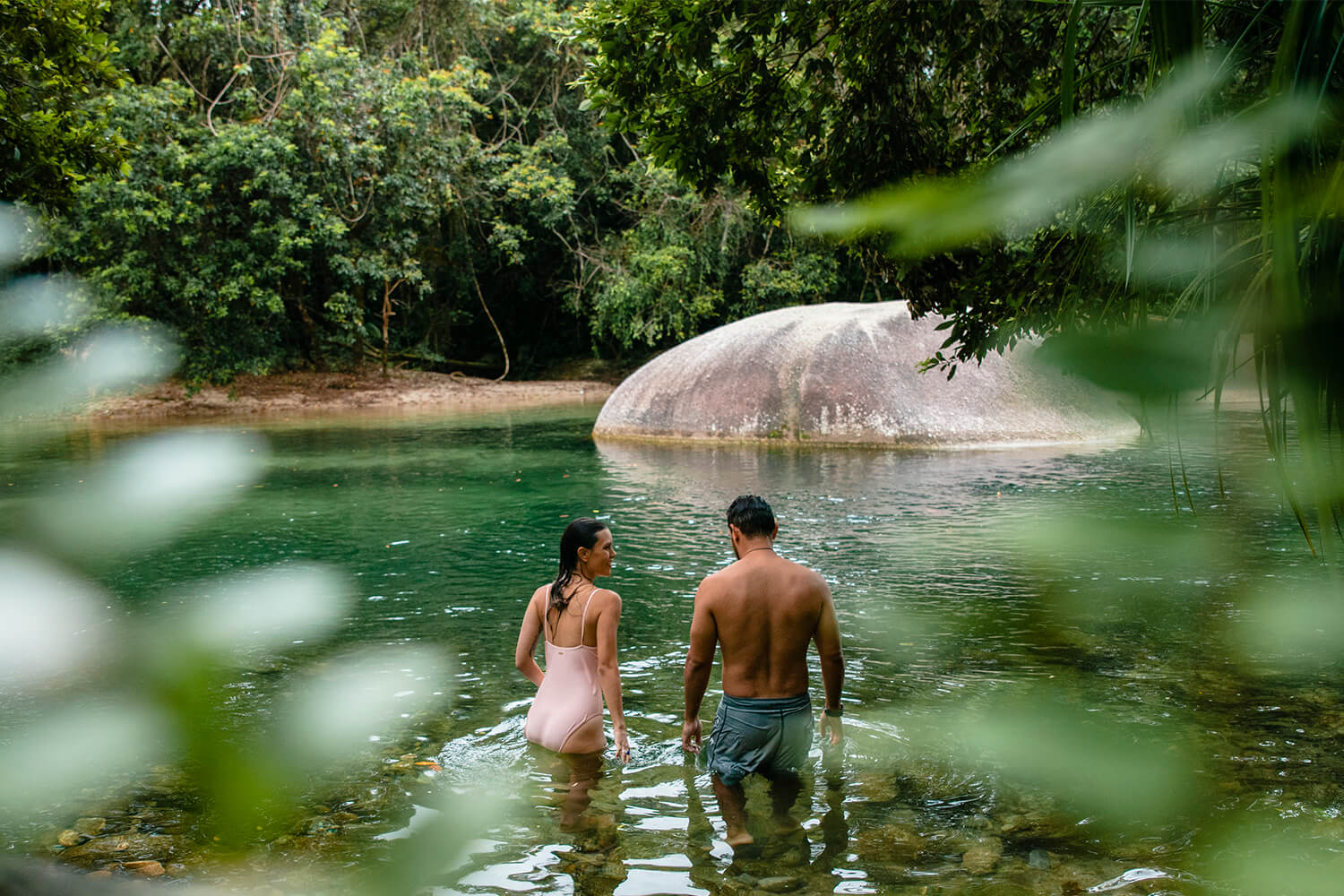
Tropical North Queensland is home to some of the most breathtaking freshwater swimming holes and waterfalls that are perfect for cooling off. While you’re exploring, your safety should always come first. Here are a few quick and easy tips to help you stay safe while enjoying our freshwater swimming locations.
Tips to stay safe in fresh water swimming holes
• Recognise potential hazards and read on-site signage.
• Supervise children and assess conditions before entering the water.
• Always have a backup location in mind.
• Know your own limits.
• Avoid fast currents, submerged dangers, and unknown depths.
• Never climb up waterfalls or on slippery rocks
• Choose guided experiences for added confidence.
Remember, conditions can change rapidly—what looks safe today might not be tomorrow. If in doubt, stay out.
Stay safe, swim smart, and enjoy the beauty of Tropical North Queensland’s freshwater swimming holes responsibly.
Road Safety
There are many ways to explore Tropical North Queensland, whether you’re walking, riding, or driving. Some of our local road rules may be different from what you’re used to, so it’s important to understand them to stay safe and feel confident getting around.
Pedestrians
- Press the button at crossings and wait for the green walking figure before crossing.
- Please do not cross if there is a stationary red figure.
- If there is no crossing, look both ways before crossing safely.
Drivers
- In Australia, always drive on the left side of the road.
- All passengers must wear a seatbelt.
- Children under 7 must be fastened in an Australian Standard (AS) approved child restraint.
- Use passing lanes when overtaking.
- Only pass other vehicles when there is a broken lane present.
- Give way to all vehicles on the roundabout before entering.
- Always follow speed limits and road signs.
- It’s illegal to touch your phone while driving with any body part – even when stopped or when the phone is turned off.
- Check the weather before driving and slow down in wet conditions
- Left turns on red lights are not permitted in Australia as they are in the United States.
Cyclists
- Always wear an AS-approved helmet when riding a bicycle or electric-powered device. It’s the law and helps keep you safe.
- Helmets are a legal requirement, and not wearing one can lead to a fine.
- You’ll often see bike lanes marked in green with a bicycle symbol
- It is not permitted to ride in a bicycle lane on the wrong side of the road, towards oncoming traffic.
- You cannot ride on a road or path where signs or road markings prohibit bicycles.
- Using your phone while riding is unsafe and can result in a $1033 fine.
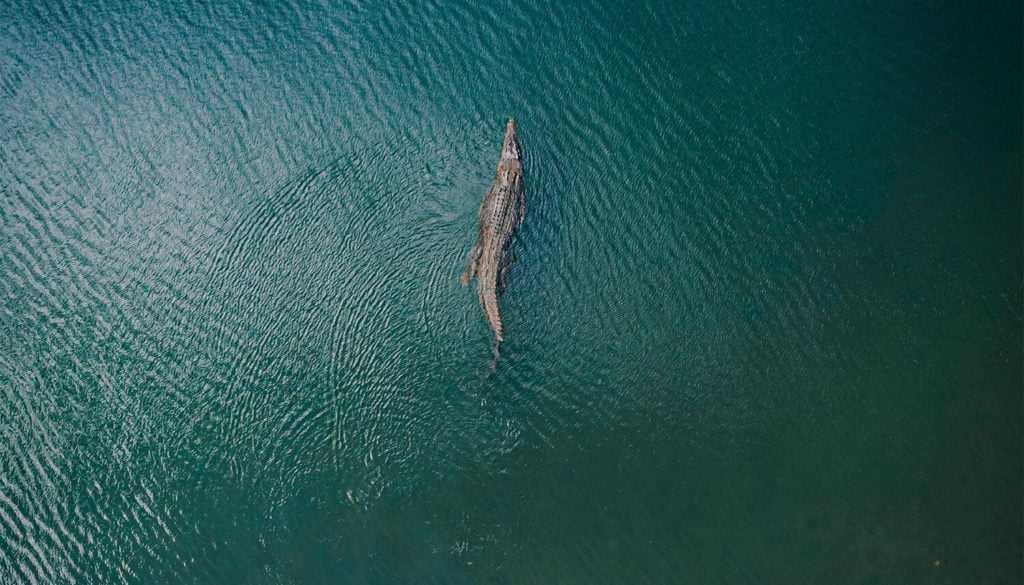
Everything you need to know about crocodiles in Tropical North Queensland
They say to never smile at a crocodile, but there’s plenty more to know about this ancient reptile species before you set foot in Tropical North Queensland.
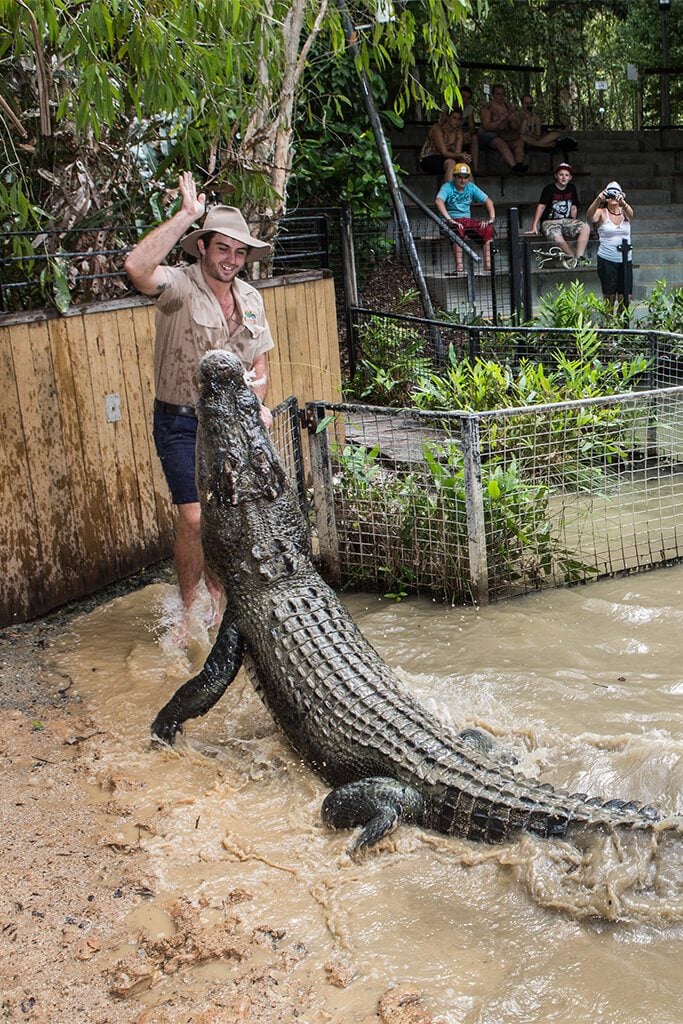
5 things you didn’t know about crocodiles
They may have a reputation as one of the planet’s most powerful creatures, but crocodiles are equally as fascinating as they are fearsome.
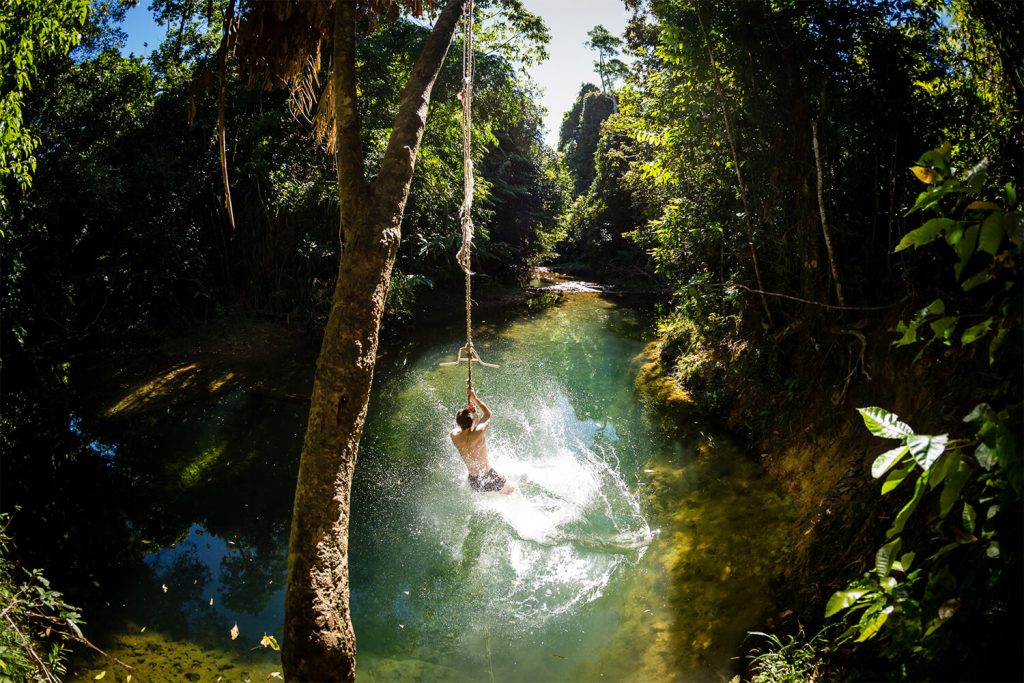
Dive into Tropical North Queensland’s swimming holes
If you’ve been hitting the wilderness trails, shredding the mountain bike parks or simply exploring what the region has to offer and need to reinvigorate tired muscles, set your compass for these amazing swimming holes.

Where to have a guaranteed wildlife experience near Cairns
You know what rates as highly as the reef and rainforest on visitor’s to-do-lists when they come to Cairns? Having a wildlife encounter.